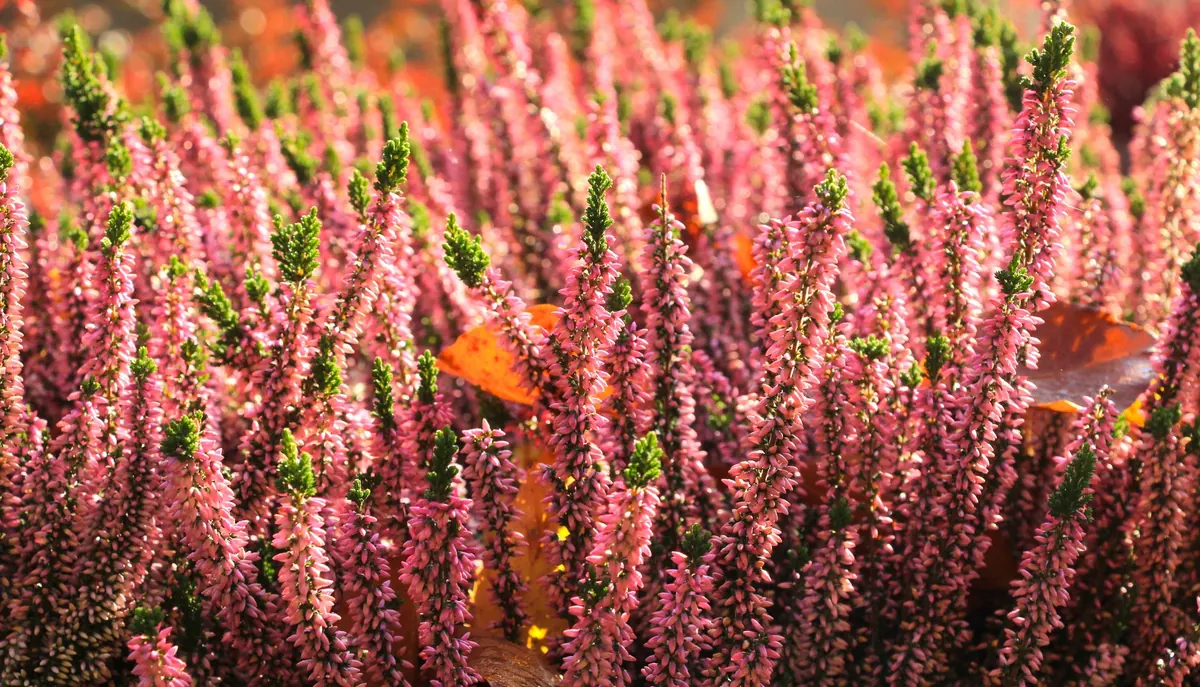
Heather has a reputation for being fussy, a plant that only looks right on a windswept moor with acid peat underfoot. That is only half true. The fussiness comes from buying the wrong species for the ground you have. Get the match right, plant it properly, and heather becomes one of the lowest-maintenance plants in the garden: evergreen, weed-suppressing, useful in winter when almost nothing else is doing anything.
The word "heather" covers several different plants with different needs. A Calluna planted in chalky soil will sulk and die within a season. A winter heath planted in the same spot will thrive for years. So before anything else, sort out what you are actually buying.
Start With the Right Kind of Heather
Labels often say only "heather" with a cultivar name. Look for the botanical name, because that tells you the soil and the flowering season.
- Calluna vulgaris (Scotch heather). The classic purple moorland plant. Flowers from July to October, needs acid soil and full sun, and comes in dozens of cultivars with foliage ranging from near-silver to gold to deep bronze. Hardy almost anywhere.
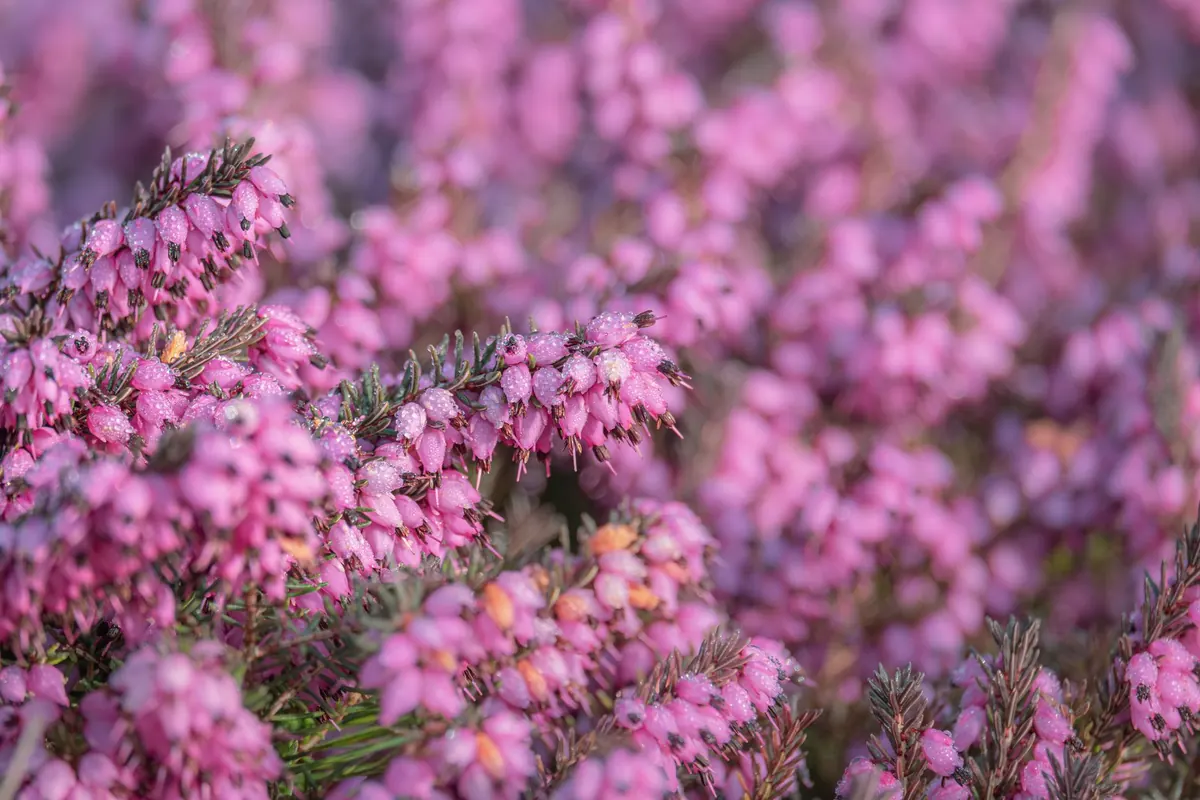
- Erica carnea and Erica darleyensis (winter heaths). Flower from December through April in shades of white, pink and magenta. These tolerate neutral to slightly alkaline soil, which makes them the safe choice for most gardens, and they cope with light shade.
- Erica cinerea (bell heather). Summer flowers, fine foliage, and a strong preference for acid, sharply drained ground. It dislikes winter wet more than cold.
- Erica vagans (Cornish heath). Late summer into autumn, more vigorous and looser in habit, and it manages in neutral soil.
- Daboecia cantabrica (St Dabeoc's heath). Large bells from June to October on a low shrub. Happier in mild, damp climates than in hard frost pockets.
- Tree heaths (Erica arborea, Erica lusitanica). Upright plants reaching 1.5 to 2.5 metres with frothy white flowers. They need shelter from cold, drying wind.
If you only remember one thing from this section, make it this: winter-flowering Erica carnea and Erica darleyensis are the forgiving ones; Calluna and Erica cinerea are the acid-lovers.
Test Your Soil Before You Dig
A cheap pH test kit from a garden centre takes ten minutes and saves a wasted plant. Heathers in the Calluna and Erica cinerea group want a pH of roughly 4.5 to 6.0 — genuinely acid. Erica carnea, Erica darleyensis and Erica vagans will grow in soil up to about neutral, and will tolerate a little lime.
You can also read the garden. If rhododendrons, camellias or blueberries are thriving nearby, the soil is likely acid enough for any heather. If lavender, rosemary and clematis look happiest, and hydrangeas flower pink rather than blue, you are probably on the alkaline side.
On alkaline ground you have two good options: plant winter heaths in the open border, or grow the acid-lovers in containers of ericaceous compost. What you should not do is dig a pocket of ericaceous compost into chalky soil and hope. Lime moves into that pocket with the groundwater, and the plant declines slowly over two or three years.
Planting: When, Where and How
Heathers are shallow-rooted, so the top 20 centimetres of soil matter far more than what lies below. Full sun suits almost all of them; a few hours of shade is acceptable for winter heaths but will make Calluna leggy and thin.
- Choose a site in sun with free drainage. On heavy clay, dig in grit and plant slightly proud of the surrounding soil so water runs away from the crown.
- Water the pot thoroughly an hour before planting.
- Dig a hole about twice the width of the rootball and the same depth. Heathers hate being buried deeper than they were in the pot.
- Tease out the roots if they are circling the pot. They usually are.
- For acid-lovers, backfill with a mix of garden soil and ericaceous compost; for winter heaths, ordinary garden soil is fine.
- Firm gently with your hands, water well, then mulch with bark chips or leaf mould, keeping it clear of the stems.
- Space small cultivars about 25 to 30 centimetres apart for a quick carpet, larger ones 45 to 60 centimetres.
Early autumn is the best planting window — the soil is still warm and roots establish before winter. Spring works too, as long as you water through the first dry spell. Avoid planting into frozen or waterlogged ground.
Watering and Feeding in the First Year
Newly planted heather needs help for one season, then largely looks after itself. Water deeply once a week during dry spells in that first summer rather than giving a light sprinkle every day. Once established, most heathers shrug off drought.
In hard-water areas, use rainwater for containers and for new plants where you can. Tap water is alkaline and repeated use raises the pH of ericaceous compost over time.
Feeding is minimal. A light dose of ericaceous fertiliser in spring is plenty for plants in the ground, and useful for pots. Skip lime-rich manure and general-purpose fertilisers on the acid-lovers — they push soft growth and shift the soil in the wrong direction.
Pruning: The Rule That Keeps Heather Dense
Cut heather back every year, but never into the old, leafless wood.
That single rule prevents most heather disappointment. Plants that are never pruned become woody in the middle, with flowers only on the outer fringe; plants cut back too hard into bare brown stems rarely regrow.
Timing depends on the plant. Shear Calluna in spring, in late March or April, cutting back to just below the old flowers and roughly halfway down the previous season's growth. Shear winter heaths straight after flowering ends, usually in April or May, removing the spent flower spikes and a little of the green growth beneath. Use garden shears or hedge trimmers and work across the top of the clump rather than picking at individual stems. A firm haircut now gives you a tight, floriferous plant next season.
Growing Heather in Containers
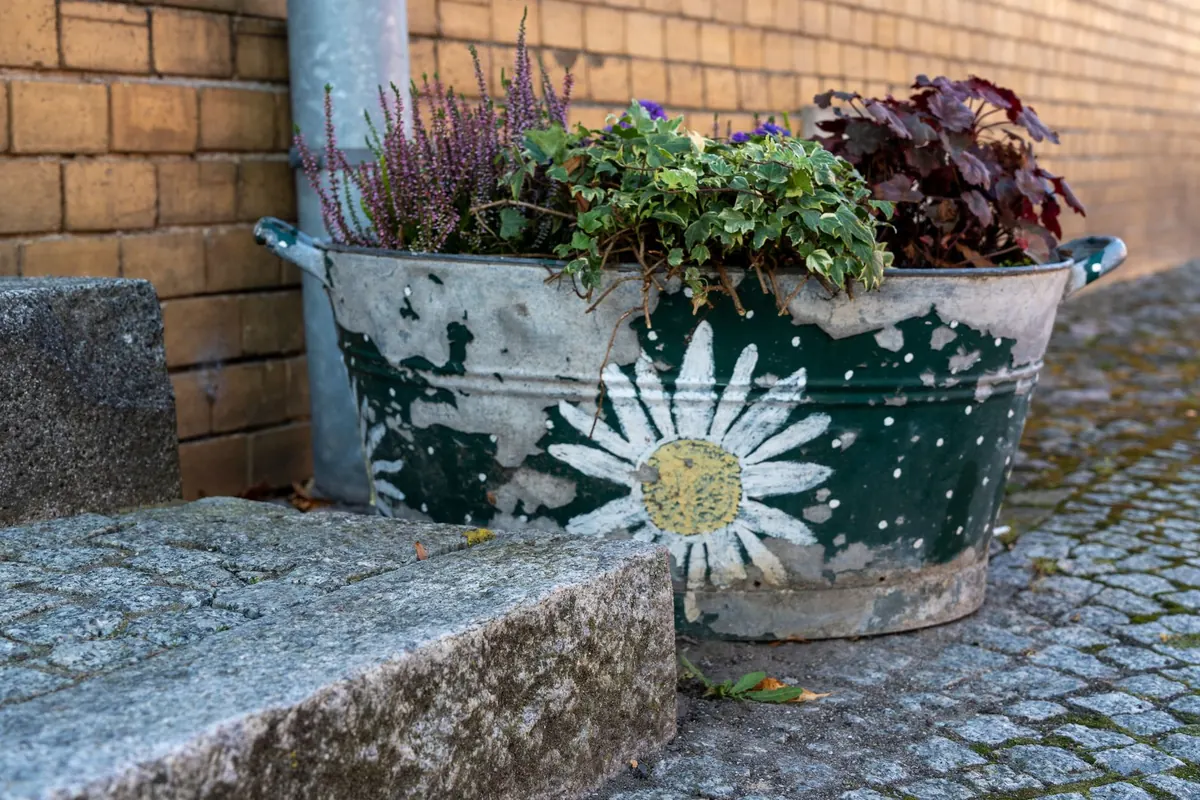
Pots suit heather well, especially if your soil is alkaline. Use a peat-free ericaceous compost, a container at least 30 centimetres across with drainage holes, and raise it on pot feet so winter rain drains freely. Root rot in waterlogged compost kills more potted heathers than cold does.
Repot every two to three years in spring, shaking off some old compost and refreshing it. Top-dress annually, feed lightly in spring, and trim as you would in the open ground.
Your First Season at a Glance
Autumn: plant, water in, mulch. Winter: enjoy the winter heaths flowering and check that pots are not sitting in water. Spring: prune everything that has finished flowering, top-dress pots, and give a light ericaceous feed. Summer: water new plants in dry spells, weed around the crowns until the plants knit together, and watch for heather beetle — brown, stripped patches in midsummer usually mean the larvae are feeding, and a healthy bird population often deals with them for you.
Start with three or five plants of the same species in a group rather than one of everything. They look better in drifts, they shade out weeds sooner, and you will learn what they need from a patch you can actually watch.
Photo: Lisa Fotios / Pexels